Every business wants more customers, more website traffic, and better sales. But when it comes to online marketing, many business owners face one important question: should they invest in SEO or Google Ads?
The answer depends on your goals, budget, competition, and how quickly you need results. Both methods help your business appear in Google search results, but they work differently. SEO builds organic visibility over time, while Google Ads can bring paid traffic as soon as your campaigns start running.
In this guide to SEO vs. Google Ads, you will learn how both strategies work, their benefits, their costs, and which option may suit your business. You will also discover how combining SEO and paid advertising can help you attract more qualified visitors and generate leads.
What Is SEO?
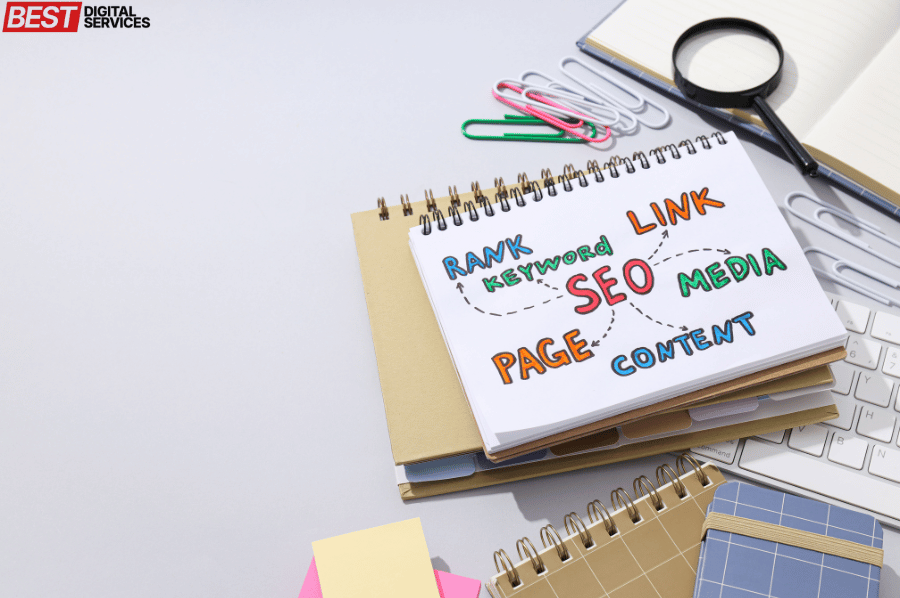
Search engine optimization (SEO) is the process of improving your website so it can appear higher in unpaid search results. It helps search engines understand your pages and makes it easier for potential customers to find your business.
Organic search engine optimization involves several activities, including keyword research, useful content creation, technical improvements, internal linking, and earning relevant backlinks.
For example, if you own a plumbing company, you may want your website to appear when someone searches for “emergency plumber near me.” With a strong SEO strategy, your website may earn a place in the organic search results for relevant searches.
Benefits of SEO for Long-Term Growth
SEO can provide several benefits for businesses:
- Long-term visibility: Strong pages can continue attracting visitors after the initial work is completed.
- Sustainable website traffic: Organic rankings can generate traffic without paying for every click.
- Customer trust: Some users prefer organic results when researching businesses and services.
- Better brand awareness: Appearing for relevant searches helps more people discover your business.
- Improved user experience: Website speed, clear navigation, and helpful content can benefit visitors as well as search performance.
However, SEO takes time. Results depend on competition, website condition, content quality, and other search engine ranking factors. There is no guarantee that a particular page will rank first.
What Are Google Ads?
Google Ads is an online advertising platform that allows businesses to show paid advertisements across eligible Google placements. Search campaigns can display ads when people search for specific products or services.
For example, a digital marketing agency can run paid search campaigns targeting phrases such as “SEO services for small businesses.” When the campaign is eligible and wins the relevant ad auction, its advertisement may appear in the sponsored search results.
Many search campaigns use pay-per-click advertising, meaning advertisers generally pay when someone clicks an ad. Actual costs depend on factors such as keyword competition, bidding, location, and ad quality.
Benefits of Google Ads for Immediate Traffic
Google Ads can be useful when your business needs faster visibility.
- Quick campaign launch: Ads can start appearing after setup, review, and approval, although timing is not guaranteed.
- Precise keyword targeting: You can target searches relevant to your products and services.
- Budget control: You can set campaign budgets and adjust spending.
- Measurable results: Track clicks, calls, leads, purchases, and other conversions.
- Flexible targeting: Depending on the campaign, you can target locations, audiences, devices, and other settings.
Google Ads management services can help with keyword selection, ad copy, bidding, conversion tracking, and PPC campaign management. However, paid advertising needs regular monitoring to avoid wasting money on irrelevant clicks.
SEO vs. Google Ads: Key Differences
The main difference between SEO and Google Ads is how your website earns visibility in search results.
SEO focuses on improving unpaid rankings, while Google Ads uses paid campaigns to reach potential customers. SEO is often a longer-term investment, whereas Google Ads can provide faster access to relevant searches.
Here are the main differences:
1. Speed of results
Google Ads can generate impressions and clicks soon after a campaign is approved and becomes eligible to run. SEO usually takes longer because search engines need to discover, evaluate, and rank your content.
2. Cost
SEO involves expenses such as content creation, technical work, and professional SEO services. Google Ads involves advertising spend, and many businesses also pay for campaign management and landing page improvements.
3. Traffic
SEO can build website organic traffic over time. Google Ads provides paid traffic generation while your campaigns are running and receiving eligible traffic.
4. Long-term value
Well-performing SEO pages may continue attracting visitors without a direct payment for each click. Google Ads traffic generally depends on continued campaign activity and budget.
5. Measurement
Both methods can be measured. SEO analysis includes rankings, organic click-through rate, traffic, and conversions. Google Ads reporting includes impressions, clicks, cost per click (CPC), conversions, and return on ad spend (ROAS).
Neither method automatically produces better results. Performance depends on your goals, execution, industry, and customer behavior.
SEO vs. Google Ads: Which Is More Cost-Effective?
Cost is one of the biggest concerns when comparing SEO vs. Google Ads. However, the cheaper option is not always the one that produces the best business results.
SEO campaign costs may include website audits, content writing, technical fixes, link building, and ongoing optimization. These activities require time and resources, but successful pages can continue attracting organic traffic.
Google Ads costs depend on your Google Ads budget, bidding strategy, competition, and the number of clicks your campaigns receive. You may also need to pay for ad management and conversion rate optimization.
To compare the two fairly, look beyond traffic numbers.
Ask yourself:
- How much does it cost to generate one qualified lead?
- How many leads turn into paying customers?
- What is the average value of a new customer?
- Which channel produces the strongest return on investment (ROI)?
- Are the leads relevant to your business?
For example, a campaign that generates 100 clicks but no sales may be less valuable than one that generates 20 clicks and five qualified leads.
The best approach is to measure actual results, not just clicks or rankings. This helps you understand digital marketing ROI and improve marketing campaign performance over time.
SEO vs. Google Ads for Small Businesses
For small businesses, the right choice depends on available funds, customer demand, and business goals.
SEO can be a strong option if you want to build visibility over time. Local SEO can help businesses appear in relevant local searches and improve their presence through a well-maintained Google Business Profile, accurate business information, and useful location-focused pages.
Google Ads may be more suitable when you need leads quickly, are promoting a time-sensitive offer, or want to test demand for a service before investing heavily in long-term content.
Local SEO vs. Google Ads for Small Businesses
Consider a cleaning company that wants more bookings in its service area.
With local SEO, the company can create helpful service pages, improve its Google Business Profile, collect genuine customer reviews, and build relevant local visibility.
With Google Ads, the same company can target searches from people looking for cleaning services in specific locations. The business can measure calls and booking requests and adjust its campaigns based on results.
Both strategies can work. The best digital marketing strategy for small businesses often starts with the most urgent need and grows as reliable performance data becomes available.
SEO vs. Google Ads for Lead Generation
If your main goal is website lead generation, you should consider how quickly you need leads and how much you can spend to acquire each customer.
Google Ads can target people actively searching for services. This can make it useful for high-intent keywords, especially when your landing page clearly explains the service and makes it easy to call or submit a form.
SEO can attract customers who are researching a problem, comparing options, or looking for a trusted provider. Helpful articles, service pages, and location pages can support customers at different stages of their buying journey.
For both channels, landing page optimization is important. A page should load properly, explain the offer clearly, build trust, and provide a simple next step.
To improve lead quality, review search terms, remove irrelevant targeting, test page content, and track qualified leads rather than counting every inquiry as a success.
Can SEO and Google Ads Work Together?
Yes. SEO and Google Ads can support one another as part of a broader Google Ads and SEO strategy.
You do not always need to choose one method exclusively. Combining SEO and PPC can help your business reach potential customers through both paid search and organic search.
Here is how the two methods can work together:
- Use Google Ads to test keywords: Find out which search terms generate relevant clicks and leads.
- Create SEO content around proven topics: Develop useful pages that address customer questions and search intent.
- Target different stages of the buying journey: Use educational SEO content for research and paid campaigns for relevant service searches.
- Improve landing pages: Apply conversion data to make your pages clearer and more useful.
- Measure results across channels: Compare lead quality, customer acquisition costs, and conversions.
For example, a business may use Google Ads to attract leads while building organic search rankings. As its SEO performance improves, it can review paid campaign data and adjust spending based on actual results.
This approach can increase search engine visibility without relying entirely on one traffic source.
How to Choose the Right Digital Marketing Strategy
When deciding between SEO vs. Google Ads, begin with your business objectives.
Choose SEO if:
- You want to build long-term organic visibility.
- You can invest time in content and website improvements.
- Your customers regularly search online for information about your services.
- You want to grow organic traffic over time.
Choose Google Ads if:
- You need faster exposure to relevant searches.
- You have a clear advertising budget.
- You want to promote a specific service or offer.
- You can track leads and measure campaign profitability.
Consider both if:
- You want short-term visibility and long-term growth.
- You have enough resources to manage both channels.
- You need multiple ways to attract qualified customers.
- You want to use campaign data to improve your overall marketing strategy.
If you are unsure where to begin, start by reviewing your website, competitors, target audience, and budget. A clear plan helps you choose the right combination of SEO services and paid search advertising.
Why Choose Best Digital Services for SEO and Google Ads?
At Best Digital Services, the goal is to help businesses improve their online presence and turn relevant website traffic into meaningful business opportunities.
Choosing a digital marketing partner can be easier when you have one team helping you understand both organic search and paid advertising. Instead of treating each channel as a separate activity, a joined-up approach can keep your keywords, landing pages, messaging, and conversion goals aligned.
Benefits of Best Digital Services
1. A strategy based on your goals
Every business has different needs. A service company may need local leads, while an online store may focus on sales. A marketing plan should reflect your audience, competition, budget, and business targets.
2. SEO and paid advertising support
SEO can help build organic visibility, while Google Ads can help reach relevant searchers sooner. Using both thoughtfully can provide more options for attracting potential customers.
3. Focus on useful website content
Clear service pages and helpful articles answer customer questions and support search visibility. Content should be written for real people, with relevant keywords used naturally.
4. Attention to campaign performance
Tracking leads, calls, conversions, and costs helps businesses understand which activities are working. Regular reviews can identify opportunities to improve targeting and spending.
5. A practical approach to growth
Not every business needs every marketing service immediately. Starting with the most important problems and expanding when the results support it can help make better use of available resources.
Why Is Best Digital Services a Good Choice?
Best Digital Services can be a good option for businesses seeking support with SEO, Google Ads, website development, and related digital marketing activities. Its value should come from understanding your business, setting clear goals, communicating openly, and measuring performance.
Before choosing any agency, ask about its process, reporting, deliverables, experience, and how it measures success. Avoid promises of guaranteed rankings or a fixed number of leads, because results depend on many factors.
The right agency should explain what it plans to do, why those activities matter, and how progress will be evaluated.
Final Verdict: SEO vs. Google Ads
So, which is better: SEO vs. Google Ads?
SEO is often better suited to businesses building long-term organic visibility, while Google Ads can be useful when faster exposure and measurable paid campaigns are priorities. Neither option is automatically cheaper or more profitable.
The right choice depends on your business goals, budget, competition, and timeline. For many businesses, a balanced strategy that combines SEO