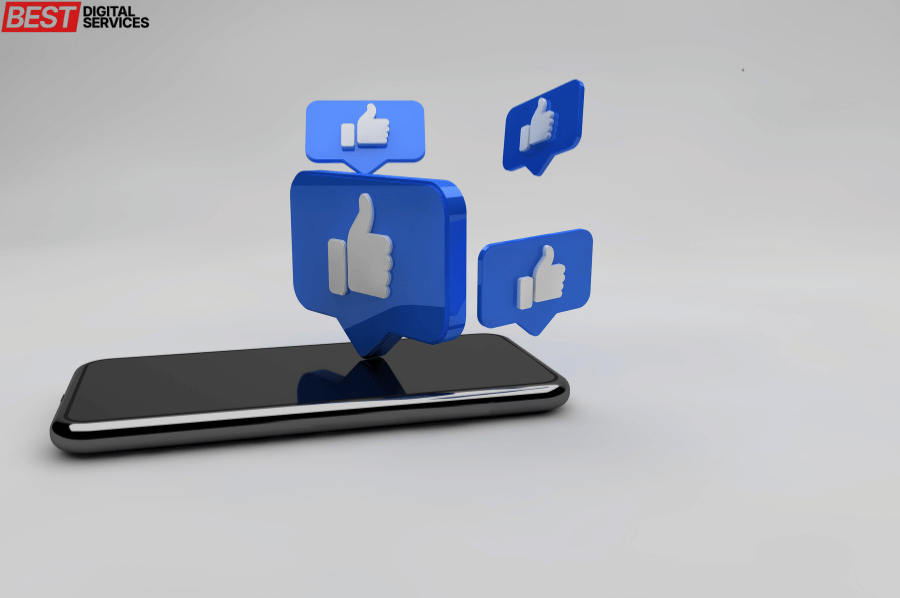
Facebook Ads for Service-Based Businesses can help companies reach potential customers, generate enquiries, and increase bookings in their local markets. Whether you run a cleaning company, plumbing business, electrical service, moving company, or contracting business, paid social media advertising can introduce your services to people who may need them.
However, successful advertising requires more than launching a campaign and waiting for leads. Businesses need a clear offer, suitable audience targeting, compelling ad creatives, a realistic budget, and a reliable process for following up with enquiries.
In this guide, you will learn how Facebook advertising works for service providers, how to build effective campaigns, how to manage advertising costs, and when professional campaign management may be worth considering.
1. Why Facebook Ads for Service-Based Businesses Can Work
Service businesses often depend on local customers, repeat bookings, and recommendations. Facebook and Instagram advertising, managed through Meta Ads Manager, provide additional ways to reach people within a selected service area.
Unlike traditional advertising, targeted Facebook advertising allows businesses to select audiences using available location, demographic, interest, and other targeting options. Actual options depend on campaign settings, platform policies, and the type of service being promoted.
For example, a cleaning company might advertise a deep-cleaning package to people in its service area. A plumber could promote a seasonal maintenance service, while a moving company might advertise apartment relocation packages.
The goal is to connect a relevant offer with people who may be interested in it.
Facebook advertising for service businesses can support several objectives:
- Generate enquiries from potential customers.
- Encourage appointment bookings.
- Promote seasonal offers and specific services.
- Build awareness within a local market.
- Re-engage previous website visitors where eligible tracking and consent requirements are met.
- Support customer acquisition alongside referrals, search traffic, and other marketing channels.
Results depend on the offer, competition, budget, audience, creative quality, and how effectively the business handles enquiries.
2. How to Target Local Customers With Facebook Ads
Local customer acquisition is particularly important for businesses that cannot serve customers everywhere. A company may receive plenty of clicks from outside its coverage area, but those visitors are unlikely to become useful leads.
Start by defining the locations where your business can realistically provide services. Use the available location-targeting settings to focus your campaigns on relevant cities, neighborhoods, or service regions.
Define your service area
Before launching a campaign, identify the areas you serve and any locations where travel costs or operational limitations make jobs less profitable.
For example:
- A cleaning company may target households within its regular operating area.
- An electrician may focus on nearby neighborhoods where emergency and scheduled appointments are available.
- A moving company may promote local relocations and selected long-distance routes.
- A contractor may advertise renovation services in locations where its team can manage projects.
This approach helps align advertising with actual service availability.
Use a clear offer
Your ad should explain what you provide and what the customer should do next. Instead of a vague message such as “We offer professional services,” use a specific offer, such as “Book a home deep-cleaning consultation” or “Request a quote for your upcoming move.”
A clear offer makes your Facebook advertising strategy for small businesses easier to measure and improve.
3. Best Facebook Ads Campaign Types for Service Providers
Different campaigns serve different purposes. Selecting the right objective is an important part of a service business advertising strategy.
Lead generation campaigns
Lead generation campaigns aim to collect enquiries from people interested in your service. Depending on the setup, you can use instant forms or direct people to a website form.
These campaigns can be useful for businesses that need customer details to provide quotes, schedule consultations, or discuss a project.
Website conversion campaigns
If your website allows customers to request appointments, submit quote forms, or complete bookings, website-focused campaigns may help encourage those actions.
A well-designed landing page should explain your service, show relevant evidence of credibility, answer common questions, and make the next step easy to complete.
Messaging campaigns
Some customers prefer to ask questions before booking. Campaigns that encourage conversations through supported messaging channels may help businesses respond to questions about availability, pricing, and service coverage.
Make sure someone is available to answer enquiries promptly.
Awareness campaigns
Awareness campaigns can introduce your business to people in your service area. They may be useful when launching a new service or entering a market where few potential customers know your brand.
Choose the campaign objective that matches your business goal rather than selecting one simply because it generates inexpensive clicks.
4. How to Generate Quality Leads With Facebook Lead Forms
Facebook lead forms can reduce the number of steps a person needs to take to contact a business. Depending on the campaign configuration, users may submit their details without visiting an external website.
However, more submissions do not automatically mean better leads.
To improve lead quality, ask for information that helps determine whether the enquiry is relevant. For example, a cleaning company might ask which service is required, the property’s general location, and the preferred appointment date.
A contractor may need details about the project type, estimated timeline, and job location.
Keep forms short enough to complete easily, but include the information necessary to qualify the enquiry. Explain how submitted information will be used and follow applicable privacy requirements.
After receiving a lead, respond promptly, confirm the customer’s needs, and explain the next step. A strong follow-up process can be just as important as the advertising campaign itself.
5. How to Set a Facebook Advertising Budget
Your Facebook advertising budget should reflect your service prices, profit margins, available capacity, and customer acquisition goals.
There is no universal budget that works for every service business. A company selling a low-priced one-time service may need different economics from a contractor handling high-value projects.
Start with a manageable test budget that allows you to compare relevant audiences, offers, and creatives. Review the results before increasing spending.
Consider the following factors:
- Average job value: How much revenue does a typical booking generate?
- Gross profit: How much remains after direct service-delivery costs?
- Lead-to-customer rate: What proportion of enquiries become paying customers?
- Customer acquisition cost: How much advertising and sales expenditure is needed to acquire a customer?
- Operational capacity: Can your team handle additional bookings without reducing service quality?
For example, if a business receives 20 enquiries and converts four into paying customers, its lead-to-customer rate is 20%. If those enquiries cost $200 in advertising, the advertising cost per acquired customer is $50, excluding other sales and operating expenses.
This calculation helps determine whether the campaign is financially sustainable.
6. How to Reduce Facebook Ads Cost Per Lead
Cost per lead is useful, but it should not be the only measure of success. A low-cost enquiry has limited value if the person is outside your service area or has no genuine intention to purchase.
To improve cost per lead optimization, focus on the quality and relevance of the entire customer journey.
First, make sure the ad matches the service offered on the form or landing page. If the ad promotes a particular cleaning package, the destination should clearly explain that package.
Second, test different creative approaches. Real project photographs, short demonstration videos, customer testimonials used with permission, and clear explanations of your process can help communicate the value of your service.
Third, review lead quality by location, service type, and campaign. Pause or revise approaches that consistently generate irrelevant enquiries.
Facebook Ads creative testing should compare meaningful variations, such as different offers, headlines, images, or calls to action. Change a manageable number of elements at a time so you can better understand what influenced the results.
Avoid judging campaigns from a small number of leads alone. Allow enough time and data for a useful assessment, taking the campaign’s budget and sales cycle into account.
7. Facebook Ads for Home Services: Practical Examples
Different industries need different offers and lead qualification methods. Facebook Ads for home services should reflect the actual problems customers want to solve.
Facebook Ads for cleaning companies
Cleaning businesses can promote recurring home cleaning, deep cleaning, move-in cleaning, or end-of-tenancy services. Ads should explain the service area, what’s included, and how customers can request a quote.
Facebook Ads for plumbers
Plumbers can promote scheduled maintenance, installations, or specific repair services. If the business handles urgent work, the ad should clearly state its availability and service coverage rather than imply 24-hour support without providing it.
Facebook Ads for electricians
Electricians can advertise installations, inspections, upgrades, and other services they are qualified to perform. Clear descriptions help attract customers with relevant requirements.
Facebook Ads for moving companies
Moving businesses can promote home relocations, office moves, packing assistance, or furniture transportation. Asking about moving dates, property locations, and load size can help qualify enquiries.
Facebook Ads for contractors
Contractors can use campaigns to attract project enquiries for renovations, repairs, and other specialist work. Project galleries, clear service descriptions, and consultation forms can help prospective customers understand the company’s experience.
These examples demonstrate why campaigns should be adapted to each industry rather than using one generic advertising template for every business.
8. How to Track Facebook Ads Performance and Conversions
Facebook Ads performance tracking helps you understand whether your campaigns are producing useful business outcomes.
Start by measuring key metrics such as:
- Cost per lead: Advertising spend divided by the number of leads generated.
- Lead-to-customer rate: The proportion of leads that become paying customers.
- Customer acquisition cost: The total relevant acquisition cost divided by new customers acquired.
- Conversion rate: The percentage of people who complete a desired action.
- Return on ad spend (ROAS): Attributed revenue divided by advertising spend.
ROAS does not automatically represent profit because it excludes many business costs.
For website campaigns, Meta Pixel conversion tracking can help measure eligible website actions. The Conversions API may provide an additional way to send permitted event data, depending on your setup.
Implement tracking carefully, respect consent and privacy requirements, and check that events are recorded correctly. Compare platform reports with your own booking records and sales data to understand the real business impact.
9. Common Facebook Advertising Mistakes to Avoid
Even well-funded campaigns can struggle when the basics are overlooked.
Common mistakes include targeting areas the company cannot serve, using vague offers, sending visitors to slow or confusing landing pages, failing to respond to leads, and increasing budgets before results are understood.
Another mistake is focusing only on clicks and impressions. These metrics can provide context, but they do not show whether the campaign generated profitable customers.
Review the full journey from ad impression to enquiry, conversation, booking, and completed job. This makes it easier to identify where potential customers are dropping out.
10. When to Hire a Facebook Ads Management Agency
Managing campaigns requires time, testing, tracking, creative development, and ongoing analysis. Some businesses can handle these activities internally, while others benefit from specialist support.
Facebook Ads management for small businesses may be worth considering when campaigns generate inconsistent leads, tracking is unreliable, or the owner lacks time to manage optimization.
A suitable agency should explain its strategy, reporting process, service fees, and responsibilities clearly. Ask how it evaluates lead quality, how frequently it reviews campaigns, and whether creative production and landing page work are included.
A professional Meta Ads management partner should also set realistic expectations. No agency can guarantee a specific number of customers or a particular return without accounting for factors outside its control.
Why Choose a Professional Digital Marketing Company?
A digital marketing company can bring campaign planning, creative testing, tracking, and reporting into one coordinated process. The value depends on the team’s experience, the quality of its work, and how well it understands your business goals.
When evaluating an agency, look for:
- A clear strategy: Campaigns should be built around your target customers and commercial objectives.
- Transparent reporting: Reports should explain spend, lead quality, conversions, and meaningful business outcomes.
- Industry understanding: Experience with similar service businesses can help inform offers and lead qualification.
- Ongoing optimization: The team should test and improve campaigns based on evidence rather than guesswork.
- Clear communication: You should know who manages your campaigns, how progress is reviewed, and what your fees cover.
The right partner is not necessarily the company making the biggest promises. Choose one that explains its methods, communicates honestly, and connects advertising decisions to measurable business results.
Conclusion
Facebook Ads for Service-Based Businesses can support local lead generation, appointment bookings, and customer acquisition when campaigns are built around relevant offers and realistic business goals.
Define your service area, select suitable campaign objectives, create clear ads, qualify enquiries, and measure the customers generated rather than focusing on clicks alone. Review the results regularly and improve the process from the first advertisement to the final booking.
If you need help with targeting, tracking, creative testing, or campaign management, professional support may help you develop a more structured advertising strategy. The priority should always be sustainable business growth, supported by clear data and consistent customer follow-up.
Frequently Asked Questions
1. Are Facebook Ads effective for service-based businesses?
They can be effective for businesses that need local awareness, enquiries, and bookings. Results depend on the service, target market, offer, budget, creative quality, and follow-up process. Campaigns should be evaluated using lead quality and customer acquisition costs, not just clicks.
2. How much should a service business spend on Facebook Ads?
There is no fixed budget for every business. Start with an amount you can afford to test, then evaluate cost per qualified lead, conversion rate, customer acquisition cost, and profit margins before scaling spending.
3. Should service businesses hire a Facebook Ads agency?
An agency may be useful if you lack the time or expertise to manage targeting, campaign testing, conversion tracking, and optimization. Compare agencies based on their process, relevant experience, transparency, and ability to measure business outcomes.